
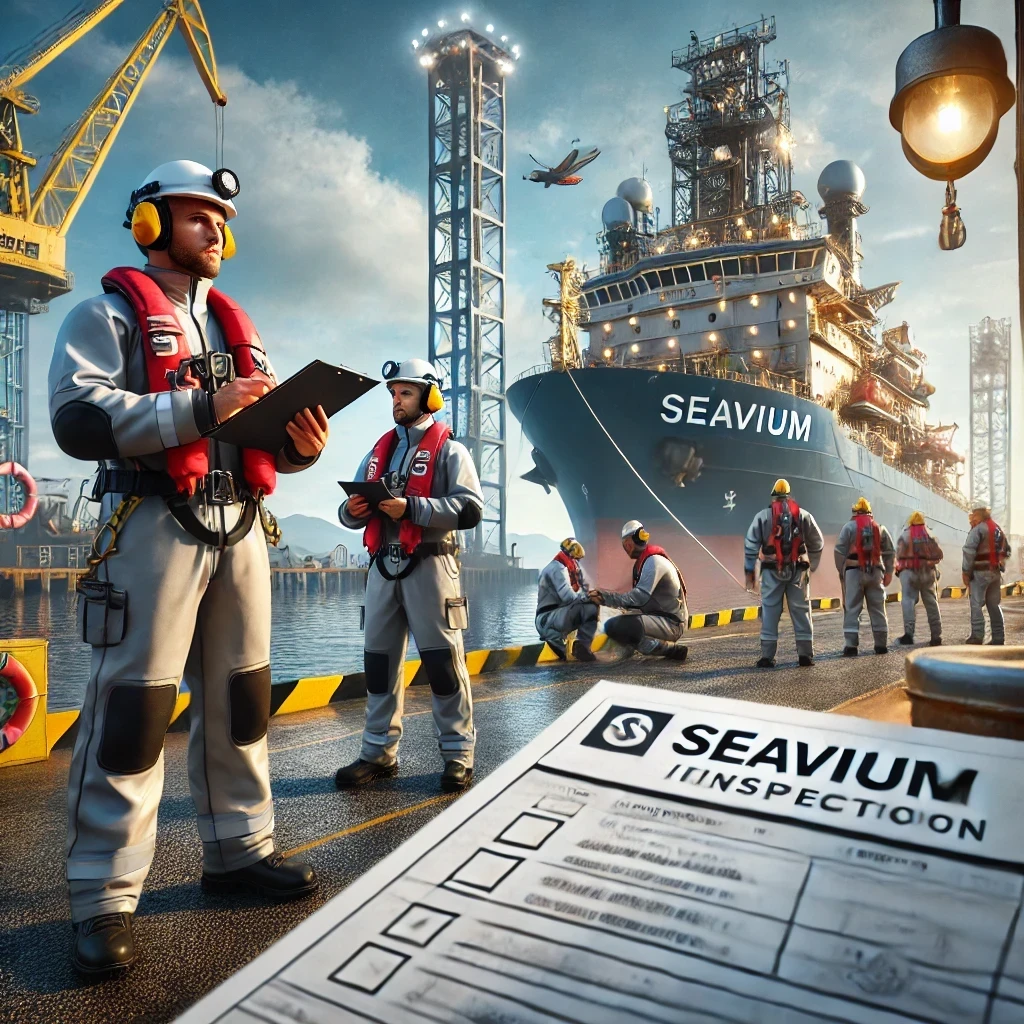
When chartering an offshore vessel, certifications play a critical role in ensuring compliance, safety, and operational efficiency. Whether for oil & gas, offshore wind, or subsea projects, vessel certifications validate that a ship meets international regulations, industry standards, and specific project requirements.
But what do these certifications mean? And why are they important when selecting a vessel for your operations? This guide breaks down key offshore vessel certifications, their purposes, and how they impact vessel selection.
Why Do Offshore Vessel Certifications Matter? 🚢✅
Offshore vessels operate in high-risk environments, making compliance with regulatory frameworks non-negotiable. Vessel certifications:
✔ Ensure safety of crew, equipment, and the environment.
✔ Guarantee operational efficiency and reliability.
✔ Meet regulatory requirements for international waters.
✔ Determine eligibility for specific offshore projects.
Failing to meet certification requirements can delay projects, increase liabilities, and result in non-compliance fines.
Key Offshore Vessel Certifications & Standards
Here’s a breakdown of the most important vessel certifications to consider before chartering:
1. International Safety Management (ISM) Code ⚠️
✅ What is it? A global standard ensuring vessels have an effective safety management system (SMS).
✅ Why it matters: Compliance with the ISM Code reduces accidents, promotes safe practices, and is required for vessels over 500 GT operating internationally.
2. International Ship and Port Facility Security (ISPS) Code 🔒
✅ What is it? A security framework developed by the IMO to protect ships and ports from security threats, including piracy and terrorism.
✅ Why it matters: Ensures vessels comply with anti-terrorism and security protocols, which is especially critical for high-risk offshore zones.
3. SOLAS (Safety of Life at Sea) Certification 🛟
✅ What is it? A key IMO convention ensuring fire safety, life-saving appliances, and navigation equipment meet international safety standards.
✅ Why it matters: It’s a mandatory certification for most offshore vessels and helps prevent maritime accidents.
4. Dynamic Positioning (DP) Certification 🎯
✅ What is it? Certifies a vessel’s ability to maintain position using thrusters and GPS systems without anchoring.
✅ Types:
DP1: Basic station-keeping capabilities.
DP2: Redundant systems for enhanced safety.
DP3: Fully independent systems for high-risk offshore projects.
✅ Why it matters: Essential for subsea operations, cable laying, and offshore wind installations requiring extreme precision.
5. Common Marine Inspection Document (CMID) & Offshore Vessel Inspection Database (OVID) 📋
✅ What is it? Standardized vessel inspection reports managed by the IMCA (International Marine Contractors Association) and OCIMF (Oil Companies International Marine Forum).
✅ Why it matters: Ensures vessels meet client safety and operational standards, often required for oil & gas contracts.
6. MARPOL (Marine Pollution Prevention) Certification 🌍
✅ What is it? A set of international regulations to prevent pollution from ships (oil spills, hazardous substances, and sewage discharge).
✅ Why it matters: Required for all vessels to comply with environmental regulations and sustainability initiatives.
7. International Load Line Certificate ⚖️
✅ What is it? Establishes maximum safe loading limits to ensure vessel stability at sea.
✅ Why it matters: Protects vessels from overloading and stability issues, reducing the risk of capsizing.
Choosing the Right Vessel: What to Check Before Chartering 🏗️
When evaluating a vessel for charter, certifications should be a top priority. Here’s what to check:
🔍 Does the vessel meet project-specific requirements? Certain industries, like offshore wind, may require DP2/DP3 certification.
🔍 Is the vessel compliant with international safety and pollution standards? Ensure it has valid SOLAS and MARPOL certificates.
🔍 Has the vessel passed recent inspections? Look for CMID/OVID reports to verify operational integrity.
🔍 Are the crew and operators trained in safety and emergency response? Certification compliance must extend to personnel.
Seavium: Simplifying Offshore Vessel Compliance & Chartering 🚀
At Seavium, we ensure that every vessel available on our platform meets the highest certification and compliance standards. Whether you need a DP2 installation vessel, a MARPOL-compliant supply ship, or a SOLAS-certified workboat, we connect you with the right option—fast.
📩 Need a vessel that meets your compliance needs? Get in touch today.
🌐 Explore our fleet: Seavium
📧 Contact us: sales@seavium.com
🛠️ Certifications matter. Let Seavium help you find the right vessel—certified, compliant, and ready for your project.