
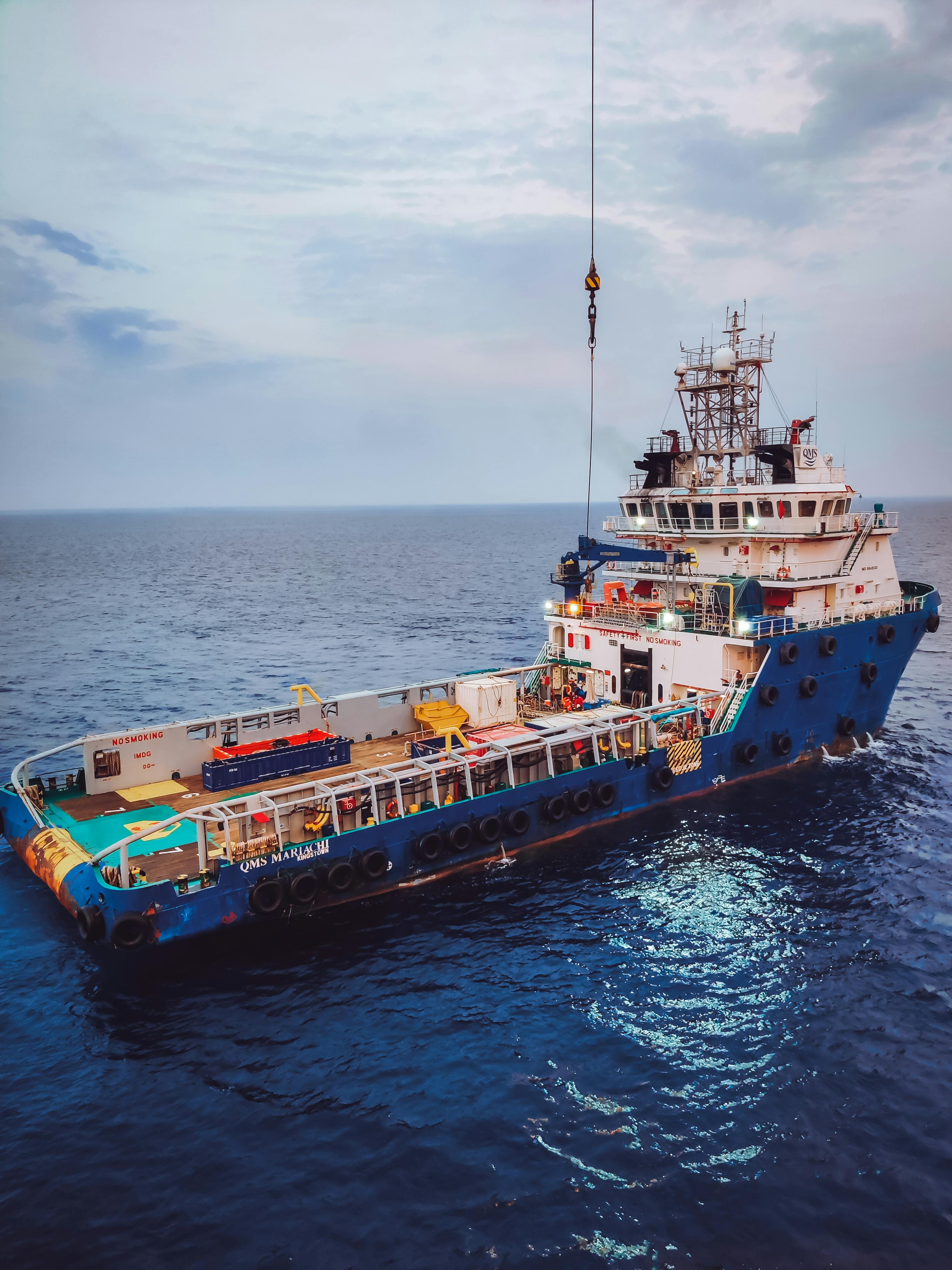
Understanding AHTS Vessels
Anchor Handling Tug Supply vessels are integral to the offshore energy sector. They are designed to handle anchors for oil rigs, tow rigs to different locations, and supply offshore facilities. AHTS vessels are equipped with powerful engines and specialized winches to manage these demanding tasks efficiently. The global fleet includes a variety of AHTS vessels, ranging from small, versatile units to large, high-horsepower vessels capable of operating in harsh environments.
Key Features of AHTS Vessels
Powerful Engines: AHTS vessels are equipped with engines that range from 5,000 to over 20,000 brake horsepower (BHP).
Dynamic Positioning Systems: Many AHTS vessels are fitted with DP2 or DP3 systems to maintain precise positioning during operations.
Winches and Deck Space: These vessels have specialized winches and ample deck space to handle large anchors and mooring lines.
Identifying Your Chartering Needs
Before embarking on the chartering process, it's vital to identify your specific requirements. Consider the scope of your operations and the environmental conditions in which the vessel will operate. Factors to evaluate include:
Operational Needs: Determine whether you need the vessel for anchor handling, towing, or supply tasks.
Geographical Location: Consider the specific region, as AHTS vessels operating in the North Sea may differ from those in Southeast Asia.
Duration: Decide on the charter period, whether it’s short-term for a single project or long-term for sustained operations.
Understanding these needs will help you select the right AHTS vessel and streamline the chartering process.
Navigating the Chartering Process
Chartering an AHTS vessel involves several key steps that require careful attention to detail:
1. Selecting the Right Vessel
Consulting a comprehensive offshore vessel intelligence platform like Seavium can significantly simplify this process. With access to over 30,000 vessels, Seavium allows you to filter options based on vessel specifications, availability, and location. This ensures that you choose the right AHTS vessel tailored to your operational needs.
2. Negotiating Charter Terms
Once you've identified potential vessels, engage in negotiations to establish favorable terms. Key aspects to discuss include the charter rate, payment terms, insurance, and any additional services required. Collaborating with experienced brokers can facilitate this process and ensure a fair agreement.
3. Finalizing the Charter Agreement
After reaching a consensus, formalize the agreement in a charter party contract. This legally binding document outlines the rights and responsibilities of both parties. It's essential to review the contract thoroughly and address any ambiguities before signing.
Ensuring Operational Success
Once the charter agreement is in place, focus on ensuring the smooth operation of the AHTS vessel. Effective communication with the vessel's crew and regular monitoring of operations are crucial. Additionally, leveraging real-time data and insights from platforms like Seavium can enhance operational efficiency and safety.
Conclusion
Chartering an AHTS vessel is a critical component of offshore operations, demanding careful planning and execution. By understanding vessel specifications, identifying your chartering needs, and navigating the process efficiently, you can secure the right vessel for your project. Platforms like Seavium provide invaluable support, offering a comprehensive database and real-time insights to aid in decision-making.
Explore the full OSV market on Seavium and streamline your chartering experience today.