
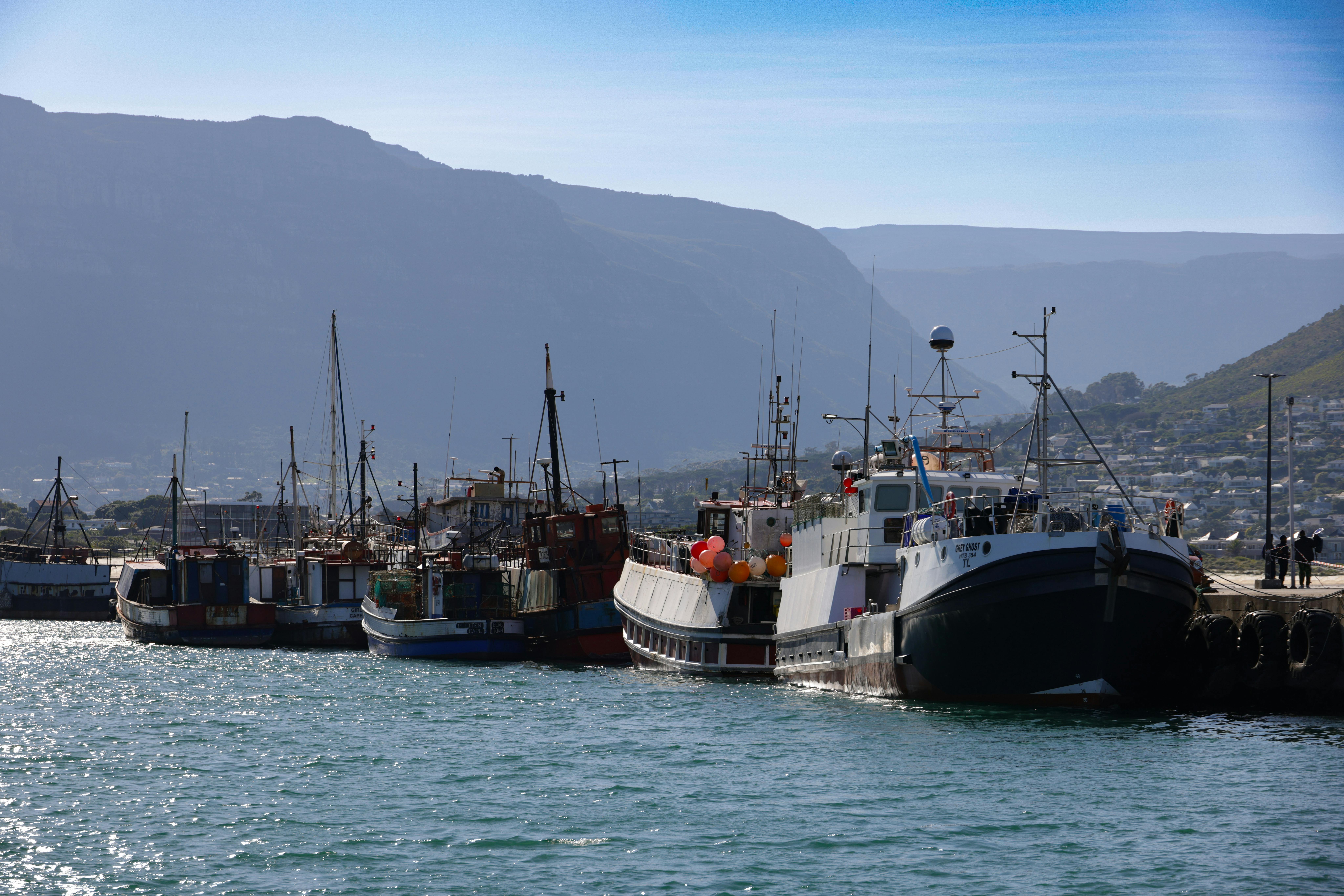
Understanding the West Africa Offshore Vessel Market
The offshore vessel market in West Africa is driven by the region's robust oil and gas activities, as well as emerging offshore wind projects. Countries such as Nigeria, Angola, and Ghana are central hubs for these operations, with Nigeria alone contributing over 2 million barrels per day to the global oil supply. The demand for various vessel types, including AHTS, PSVs, and CSVs, is closely tied to the installation, operation, and maintenance (O&M) of offshore platforms and infrastructure.
Key Vessel Types in West Africa
Anchor Handling Tug Supply (AHTS) Vessels: These vessels are crucial for towing and positioning offshore oil rigs and platforms. Equipped with powerful winches and high bollard pull capacities (ranging from 100 to 300 tonnes), AHTS vessels are indispensable in anchor handling and rig relocations.
Platform Supply Vessels (PSVs): PSVs are designed to transport essential supplies such as drilling fluids, equipment, and personnel to offshore platforms. With a deck capacity of up to 4,000 square meters and a POB (Persons on Board) capacity of 50 to 100, PSVs are vital for logistical support.
Construction Support Vessels (CSVs): CSVs provide support for subsea construction and maintenance activities. These vessels often feature DP2 or DP3 systems for precise maneuvering and can be equipped with cranes boasting capacities of up to 250 tonnes.
Market Trends and Data Insights
The West Africa offshore vessel market is poised for growth, driven by several factors:
Increased Exploration Activities: With new oil fields being discovered, the demand for AHTS and PSVs is expected to rise significantly. According to industry data, the number of active offshore exploration projects in West Africa is projected to increase by 15% over the next five years.
Offshore Wind Developments: While still in nascent stages compared to oil and gas, offshore wind projects in countries like Senegal are gaining traction. CSVs and Multicat vessels are particularly suited for wind turbine installation and maintenance.
Operational Efficiency: The adoption of advanced vessel technologies, such as DP3 systems, is enhancing operational efficiency and safety. This trend is expected to drive demand for technologically advanced vessels.
Vessel Type | Typical Operations | Key Specifications | Market Demand |
|---|---|---|---|
AHTS | Towing, Anchor Handling | Bollard Pull: 100-300 tonnes | High |
PSV | Supply Transport | Deck Capacity: Up to 4,000 sqm | High |
CSV | Subsea Construction | Crane Capacity: Up to 250 tonnes | Growing |
How to Choose the Right Vessel
Selecting the appropriate vessel for offshore operations in West Africa involves considering several factors:
Operational Requirements: Determine whether the primary need is for towing, supply transport, or subsea construction. Each vessel type caters to specific operational needs.
Technical Specifications: Evaluate the vessel's technical capabilities, such as bollard pull for AHTS or crane capacity for CSVs.
Geographic Considerations: Consider the specific environmental and logistical challenges of the intended operation area, including sea conditions and port accessibility.
What Are the Current Challenges in the West Africa Offshore Vessel Market?
The West Africa offshore vessel market faces challenges such as fluctuating oil prices, regulatory changes, and the need for technological upgrades. Companies are increasingly looking to balance cost efficiency with the demand for advanced vessel capabilities.
How Does Seavium Support the Offshore Vessel Market in West Africa?
Seavium provides industry professionals with detailed vessel intelligence, covering specifications, availability, and operational history. This data-driven approach helps stakeholders make informed decisions, optimize fleet utilization, and improve operational efficiency.
What Is the Future Outlook for Offshore Wind Projects in West Africa?
The future of offshore wind in West Africa is promising, with several countries exploring the potential for wind energy projects. While oil and gas remain dominant, the shift towards renewable energy sources is expected to create new opportunities for vessels like CSVs and Multicats.
Conclusion
The West Africa offshore vessel market is a complex and rapidly developing sector, with significant opportunities for growth in both traditional oil and gas and emerging renewable energy projects. By leveraging comprehensive data and analytics from platforms like Seavium, industry stakeholders can navigate this dynamic landscape more effectively. To explore Seavium's offerings, try it for free on your first operations: https://www.seavium.com/freetrial, or contact the team at mailto:sales@seavium.com.