
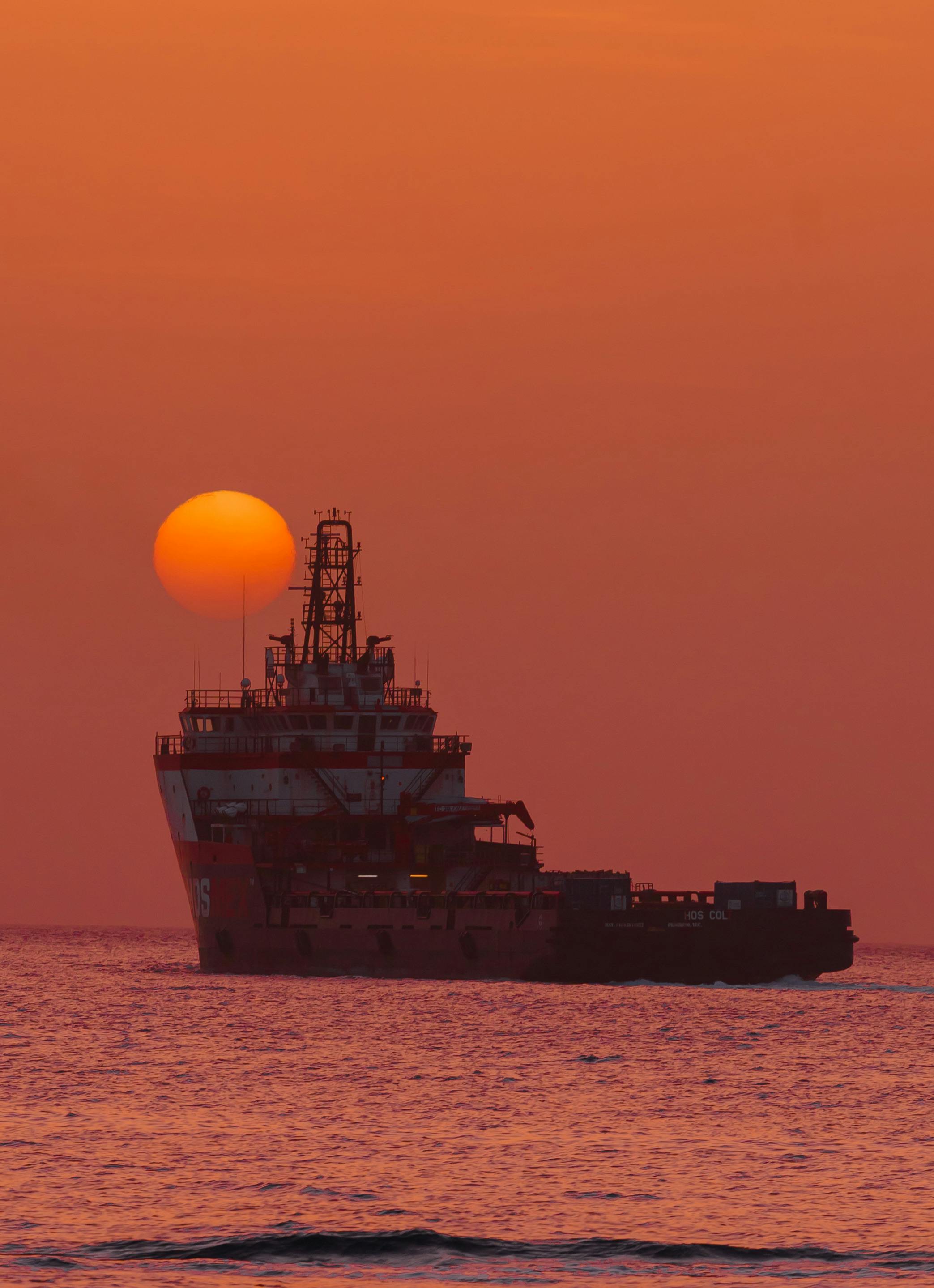
Vessel operators and maritime stakeholders often need to choose the right vessel for specific offshore tasks. Understanding the distinctions between Shoalbusters and AHTS vessels can help optimize operations and costs.
Overview of Shoalbuster and AHTS Vessels
Shoalbuster Vessels
Shoalbusters are multipurpose workboats constructed for shallow waters and coastal environments. Their unique design allows them to perform various tasks such as towing, dredging support, and assisting in coastal construction. Typically, Shoalbusters are equipped with a heavy-duty winch, a spacious deck for cargo, and a bollard pull ranging from 10 to 70 tons, depending on the vessel size. These vessels are ideal for operations in estuaries, rivers, and nearshore areas where larger vessels cannot operate efficiently due to draft limitations.
Anchor Handling Tug Supply (AHTS) Vessels
AHTS vessels are designed for demanding offshore tasks, particularly in the oil and gas sector. They are equipped for anchor handling, towing, and supply duties. AHTS vessels feature a high bollard pull, often exceeding 100 tons, and are equipped with advanced dynamic positioning (DP) systems, typically DP2 or DP3, to maintain stability in harsh sea conditions. These vessels play a crucial role in installing and maintaining offshore platforms and rigs, as well as in emergency response operations.
Key Differences Between Shoalbuster and AHTS Vessels
Feature | Shoalbuster | AHTS |
|---|---|---|
Primary Use | Towing, dredging support, coastal work | Anchor handling, towing, supply |
Operating Environment | Shallow waters, coastal areas | Open sea, offshore installations |
Bollard Pull | 10-70 tons | 100+ tons |
Dynamic Positioning | Not typically equipped | DP2 or DP3 |
Deck Capacity | Moderate | Large |
Crane Capacity | Varies (small to medium) | Medium to large |
Operational Use Cases
Shoalbuster: Ideal for port operations, dredging support, and shallow water construction projects. Shoalbusters are often used for tasks like transporting equipment to dredging sites and assisting in laying pipelines in coastal areas.
AHTS: Essential for offshore rig moves, anchor handling, and supply chain logistics in oil and gas fields. AHTS vessels are indispensable during the installation of subsea infrastructure and in emergency towing operations.
How to Choose the Right Vessel
Selecting the right vessel depends on several factors, including the type of operation, environmental conditions, and project requirements. Consider the following criteria:
Operational Task: Determine whether the operation involves shallow coastal work or deep-sea offshore tasks.
Environmental Conditions: Assess the sea conditions and draft limitations of the operational area.
Technical Requirements: Consider the need for dynamic positioning, bollard pull, and deck capacity.
Budget and Availability: Evaluate the cost-effectiveness and availability of the vessels in the operational region.
Seavium, an AI-powered offshore vessel intelligence platform, provides detailed insights into over 30,000 vessels, helping industry professionals make informed decisions based on real-time data.
What Are the Typical Costs for These Vessels?
Shoalbuster: Daily charter rates for Shoalbusters vary widely based on size and capabilities, typically ranging from $5,000 to $15,000.
AHTS: AHTS vessels command higher charter rates due to their advanced capabilities, often between $15,000 and $50,000 per day, depending on specifications and market demand.
Can Shoalbusters Operate Offshore?
Shoalbusters are not typically suited for open-sea operations due to their shallow draft and design intended for nearshore environments. For offshore tasks requiring stability in open waters, AHTS or similar vessels are recommended.
What Are the Safety Considerations?
Safety is paramount in offshore operations. AHTS vessels, with their advanced DP systems, offer enhanced safety for offshore tasks. Shoalbusters should be evaluated for stability and operational limits, especially in challenging weather conditions.
Conclusion
Understanding the differences between Shoalbusters and AHTS vessels is crucial for optimizing offshore operations. While Shoalbusters excel in shallow waters and coastal tasks, AHTS vessels are indispensable for robust offshore assignments. Leveraging platforms like Seavium can provide the data and insights needed to select the optimal vessel for specific project needs. For further assistance in finding the right asset, try Seavium for free on your first operations: https://www.seavium.com/freetrial or contact the team at mailto:sales@seavium.com.