
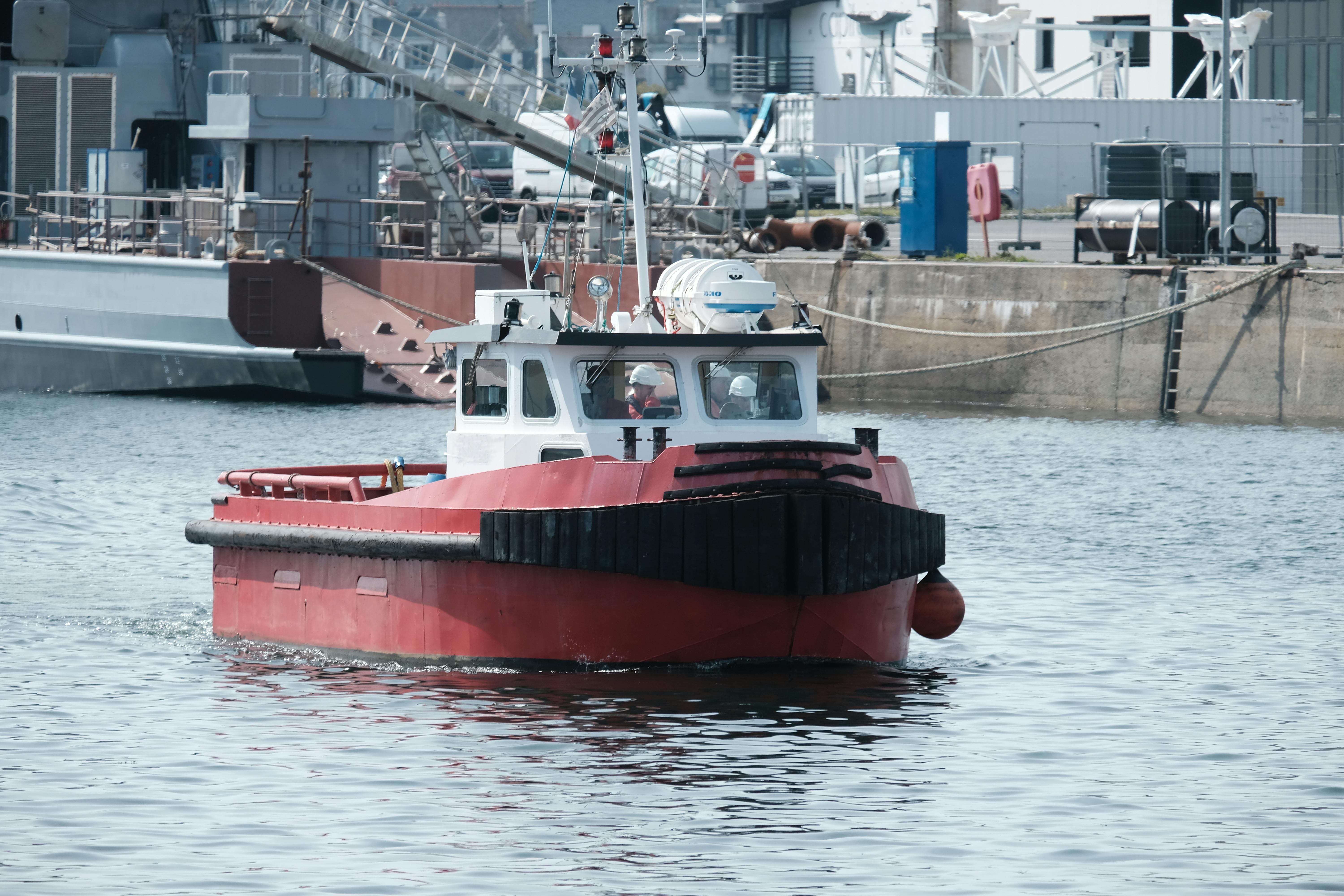
Understanding Tug Vessels
Tug vessels, or tugs, are powerful boats designed primarily for towing or pushing larger ships and barges. They are essential in ports and harbors where maneuverability is restricted. Tugs are equipped with robust engines and towing winches to handle heavy loads. They often feature bollard pulls ranging from 30 to over 100 tons, making them indispensable in assisting large vessels during docking and undocking operations.
Technologically advanced tug vessels may come with Dynamic Positioning systems (DP2/DP3) to maintain precise positioning when operating in open waters. These systems enhance safety and efficiency, especially in challenging weather conditions.
Exploring Shoalbuster Vessels
Shoalbusters are versatile workboats designed for shallow water operations. They are widely used in dredging, construction, and offshore wind projects. Unlike tugs, Shoalbusters have a shallower draft, allowing them to operate closer to shorelines and in areas with limited water depth.
Shoalbusters combine the capabilities of a tug, a workboat, and a multi-purpose support vessel (MPSV). They are equipped with towing winches, cranes, and deck space for transporting equipment and supplies. The typical bollard pull for a Shoalbuster ranges from 20 to 50 tons, making them suitable for a variety of support roles in maritime projects.
Key Differences in Specifications
The primary difference between Tug and Shoalbuster vessels lies in their specifications and intended use cases. Tugs are built for strength and endurance, with powerful engines and high bollard pulls suited for towing large ships. In contrast, Shoalbusters are designed for flexibility and versatility, with features that allow them to perform multiple roles in shallow waters.
For instance, a typical Anchor Handling Tug Supply (AHTS) vessel can have engines with up to 25,000 horsepower and a bollard pull exceeding 100 tons. In comparison, a Shoalbuster may have engines with 3,000 to 5,000 horsepower, optimized for maneuverability and multi-role capability.
Market Demand and Applications
Tug vessels are in high demand in busy ports and shipping lanes around the world. Their role in ensuring safe and efficient vessel movement makes them a critical component of global trade and logistics. According to market data, the tug vessel market is projected to grow steadily, driven by increasing maritime trade and port expansions.
On the other hand, Shoalbusters are gaining popularity in the renewable energy sector, particularly in offshore wind farm construction and maintenance. Their ability to operate in shallow waters and execute various support tasks makes them ideal for these projects. The European market, with its expanding offshore wind capacity, is a key region for Shoalbuster operations.
Choosing the Right Vessel for Your Project
When deciding between a Tug and a Shoalbuster, consider the specific requirements of your project. For heavy towing and harbor operations, a Tug is the optimal choice. If your project involves construction, dredging, or wind farm support in shallow waters, a Shoalbuster offers the versatility and capability needed.
Seavium, an AI-powered offshore vessel intelligence and chartering platform, provides access to a comprehensive database of over 30,000 vessels, including Tugs and Shoalbusters. By using Seavium, you can compare vessel specifications, availability, and charter rates to make informed decisions tailored to your project needs.
Conclusion
Understanding the differences between Tug and Shoalbuster vessels is crucial for selecting the right vessel for your maritime project. While Tugs offer powerful towing capabilities, Shoalbusters provide versatility in shallow water operations. To explore a wide range of vessel options and find the perfect match for your project, visit Seavium today.
Find the right vessel for your project on Seavium.